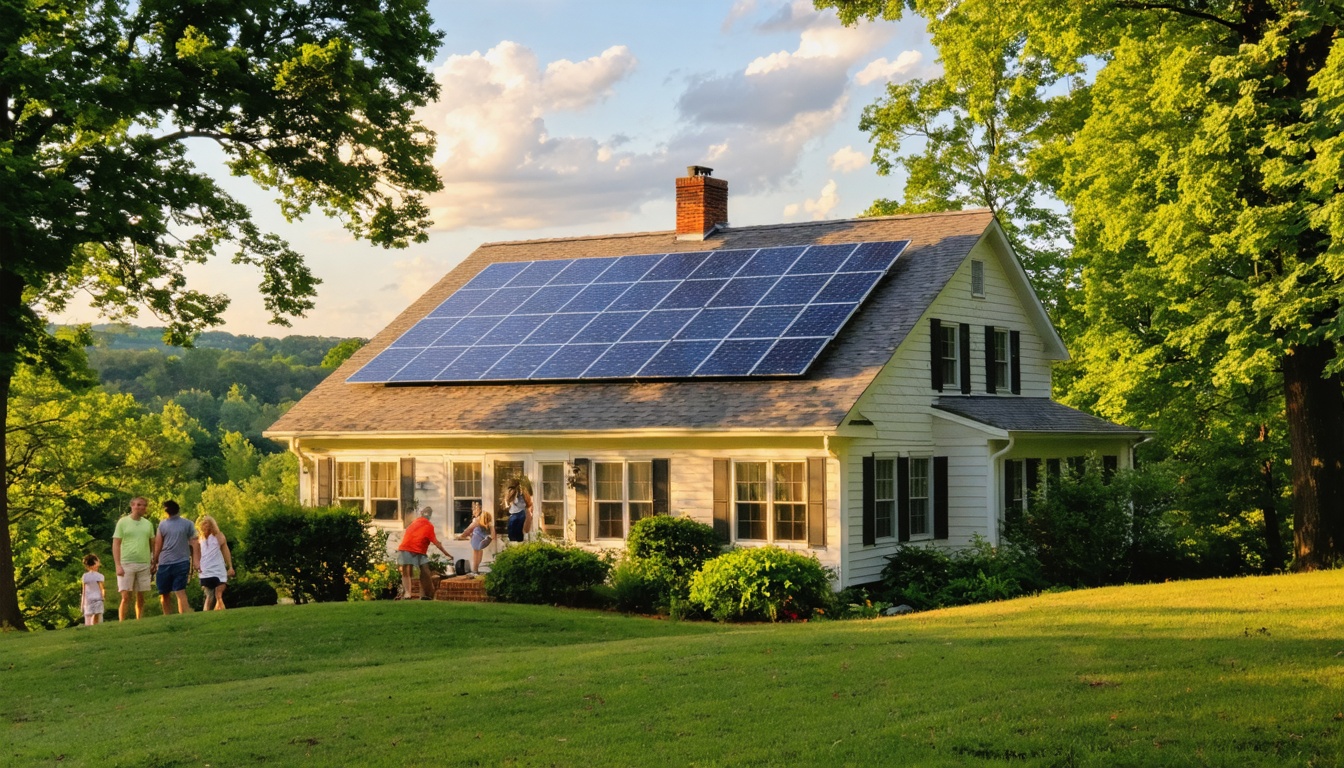
How Virginia Homeowners Can Make the Most of Their Solar Potential
If you are considering utilizing solar energy in Virginia, it is essential to evaluate your options, as this can lead to potential savings and increased property value. Key factors include assessing your roof's solar potential, understanding available incentives, and selecting a qualified installer. Each of these aspects contributes to maximizing the benefits of a solar investment.
To begin, assess your roof's suitability for solar panels. This includes considering the amount of sunlight it receives, the angle of the roof, and any potential obstructions such as trees or buildings. Additionally, evaluating the structural integrity of your roof is important to ensure it can support the weight of solar panels.
Next, familiarize yourself with financial incentives available in Virginia. These can include federal tax credits, state-specific programs, and local utility incentives. Such incentives can significantly reduce the upfront cost of installation and improve the overall return on investment.
Choosing the right installer is also critical. Seek out installers with a proven track record, positive customer reviews, and relevant certifications. It is advisable to obtain multiple quotes to compare pricing, warranties, and the quality of equipment offered.
By thoroughly considering these elements—roof potential, incentives, and installer selection—you can make informed decisions about whether solar energy is a suitable option for your property. Each decision can impact the financial viability and efficiency of your solar investment.
Evaluating the Advantages of Solar Energy
When considering the adoption of solar energy in Virginia, it is important to assess both immediate and long-term benefits. The installation of solar panels can result in a decrease in electricity bills and may enhance the property value of residential homes.
Additionally, utilizing solar energy is consistent with Fairfax County’s Environmental Health initiatives and support for renewable energy programs. One notable advantage of solar energy is its potential to reduce pollution levels, aiding climate stabilization efforts.
Solar panels also offer a consistent source of power during emergency situations, which might be essential for homeowners.
Group purchasing programs, such as Switch Together and Action Dashboard, provide resources that can help homeowners understand their options and navigate the installation process. Furthermore, state laws and tax incentives exist to facilitate the installation of solar systems for residential customers.
Transitioning to solar energy may also reduce demand on the electrical grid, which can support sustainable transportation initiatives.
As the movement toward renewable energy continues, there is a possibility that property values could be positively affected as neighborhoods adopt environmentally-friendly practices.
In summary, the integration of solar energy systems presents multiple benefits that warrant careful evaluation.
Determining Your Property’s Solar Suitability
To evaluate the suitability of your property for solar panel installation, start by examining the direct sunlight exposure your home receives. A baseline of six hours of sunlight each day is generally suggested for optimal electricity generation.
In regions like Fairfax County, factors such as the age and orientation of your roof play significant roles; typically, a newer roof with a south or west-facing slope is more effective for energy production and can enhance the overall value of the installed solar system.
It is prudent to consult local resources and programs available through municipal offices, such as the Government Center and Environmental Health departments, for updated information regarding electricity rates, tax incentives, group purchasing options, and potential solar rebates.
Additionally, exploring platforms like the Matters Blog or Action Dashboard can provide homeowners with valuable insights on renewable energy practices, residential guidelines, and the criteria for participating in solar programs.
This thorough analysis can aid in assessing both the viability and potential advantages of solar panel installation for your residence.
To accurately assess and optimize the solar capacity of roof structures, it is recommended to utilize digital tools that offer comprehensive insights into solar potential. The NOVA Solar Map is one such tool that enables residents and business owners in Fairfax County to visualize sunlight exposure on their properties. This visualization is essential for evaluating the potential efficacy of solar panels in generating energy.
Additionally, the PVWatts Calculator provides estimates of solar energy production based on specific geographic locations. This tool can assist homeowners in making informed decisions regarding solar investments by projecting potential energy output.
The proper assessment of panel placement is necessary to enhance electricity generation and comply with state regulations. It should be noted that newer roofs can positively influence the long-term viability of renewable energy systems, thereby increasing the appeal of solar investments.
Furthermore, platforms such as the Action Dashboard and Matters Blog can help track real estate values, tax implications, and environmental benefits associated with solar energy. These resources deliver relevant information for homeowners contemplating the adoption of solar energy solutions.
For further insights or questions, individuals may refer to the OEEC News, investigate group purchasing opportunities, and engage in local initiatives focused on building sustainability.
Selecting Qualified Solar Installers
Selecting a qualified solar installer is a critical decision for homeowners contemplating the adoption of solar energy. In Fairfax County, resources such as Solarize Virginia offer valuable assistance by connecting residents with vetted service providers. This program helps streamline the selection process, allowing homeowners to choose from professionals who have met certain standards.
Engaging in group purchasing programs can be advantageous as they enable homeowners to compare solar offerings on multiple fronts. Key aspects to consider include the specifications of solar panels, warranty terms, system capabilities, and the experience of the installation companies. Pricing comparisons on a per-watt basis can also inform decision-making.
It is essential for homeowners to confirm that potential installers are appropriately insured and licensed, and that they comply with state regulations. Adequate compliance can enhance safety and may impact property values.
Furthermore, staying informed through local news, events, and resources such as blogs is recommended. Such platforms can offer insights into best practices for environmental sustainability, health implications, and recycling processes associated with solar energy systems. This information is crucial for homeowners as they evaluate their options in transitioning to renewable energy sources.
Understanding Solar System Costs
Investing in solar energy involves a significant upfront cost, necessitating a clear understanding of the associated financial factors and incentives. In Fairfax County, the typical price range for residential solar systems is between $2.50 and $4.00 per watt. For instance, a 9 kW solar system may incur an estimated cost of around $27,000.
Various local programs, including Switch Together and group purchasing initiatives, supported by County Resources and Environmental Initiatives, can potentially reduce costs by approximately 10-15%. Additionally, homeowners may benefit from federal tax credits, which can help lower the overall expenditure associated with solar installation.
With the ongoing trend of rising electricity rates, the expected payback period for solar energy investments is generally between 10 to 15 years.
Fairfax County offers resources to keep residents updated, utilizing platforms such as News and Events, the Matters Blog, Information Services, and the Action Dashboard, which also address concerns relevant to businesses and real estate. This framework serves to assist residents in making well-informed decisions regarding solar energy investments.
Exploring Financing and Lease Options
Various financing and leasing options are available that enhance accessibility to solar energy for homeowners in Virginia, regardless of their financial situation. In Fairfax County, the cost of solar systems typically ranges from $2.50 to $4.00 per watt. Many homeowners take advantage of existing resources, such as property tax incentives, loans, or solar leases, to facilitate their transition to solar power.
Homeowners are encouraged to consult local services to clarify questions regarding installation processes and financing options. Reputable resources, including the Matters Blog and various news outlets, provide accurate information related to solar energy initiatives and developments.
Solar leasing offers homeowners the possibility of reducing energy costs immediately without requiring a significant upfront investment.
It is also important for homeowners to stay informed about relevant state laws, real estate market conditions, and recycling programs. Additionally, being aware of updates in initiatives listed on the Buildings and Action Dashboard can contribute to more informed decision-making regarding solar energy adoption.
Participating in Solar Group Purchasing Programs
Participating in solar group purchasing programs can improve cost-effectiveness for homeowners in Virginia. Programs such as Solarize Virginia and Switch Together facilitate bulk purchasing, which can lead to discounts typically between 10% and 15% on solar installations. Homeowners can learn more about these initiatives at https://solarpanelvirginia.com/.
These initiatives offer property owners complimentary assessments to determine the suitability of solar systems for their residences.
By participating in these programs, Fairfax County residents can access a network of pre-qualified installers. This ensures that homeowners are selecting from vetted professionals when considering solar panel installation.
Additionally, bundled services frequently available to residential customers may include options for battery storage and enhancements to electric vehicle charging infrastructure.
For detailed information, stakeholders can refer to resources on our Buildings page and visit the Latest News and Events section.
These platforms offer updates on various aspects, including progress tracking, impacts on real estate values, and discussions related to environmental health issues.
Navigating Legal Requirements and Local Policies
Understanding Virginia’s legal framework is fundamental for homeowners considering the installation of solar panels on residential properties. State law permits the installation of solar energy systems with a maximum capacity of 20 kilowatts, enabling the generation of renewable energy for individual residences.
Fairfax County provides various resources to assist residents with solar panel installations, including guidance on permit waivers and related support programs. Homeowners are advised to review local real estate and land records to ensure adherence to all relevant regulations and guidelines prior to their installation.
Consultation with organizations such as AC Rescue or Compass Green can offer valuable insights and assistance regarding solar projects, and engagement with local building initiatives is also recommended.
It is important for homeowners to be mindful that homeowners' associations (HOAs) may impose reasonable restrictions on the installation of solar panels. Therefore, discussing solar easement agreements with neighboring property owners could be beneficial for ensuring optimal solar access.
To remain updated on any changes in regulations or policies that might impact solar energy initiatives in the region, homeowners should regularly monitor local news and events. Resources such as the Action Dashboard and Advisory Council may provide important updates regarding the evolving regulatory landscape associated with solar energy in the area.
Accessing Incentives, Credits, and Consumer Protections
Accessing available incentives and consumer protections can improve the economic viability of solar installations for homeowners in Virginia. Participating in net metering programs allows users to receive credits for any surplus electricity produced by their solar panels that is returned to the grid, potentially decreasing overall electricity costs.
Furthermore, the federal Solar Investment Tax Credit enables homeowners to deduct 30% of the installation costs from their federal tax liability, thereby making solar systems more financially feasible.
In Fairfax County, the removal of permit fees for residential solar projects further reduces the initial costs associated with installation. Additionally, state legislation affirms homeowners’ rights to install solar energy systems on their properties.
Homeowners also have the option to negotiate solar easements, which can improve the efficiency of solar systems by ensuring adequate solar exposure.
For individuals seeking more information and resources, it is recommended to consult county-specific resources and keep informed about local developments related to solar energy initiatives. This approach can yield a deeper understanding of the various incentives and protections available to facilitate the adoption of solar energy in Virginia.
Conclusion
To effectively utilize solar energy in Virginia, it is essential to assess the solar suitability of your property. This involves considering factors such as roof orientation, shading, and available space for solar panels. Evaluating financing options is also crucial; homeowners may explore various avenues, including loans, leases, and power purchase agreements (PPAs). Selecting a qualified installer is important to ensure the system is designed and installed correctly.
There are several incentives available for Virginia homeowners that can improve the affordability of solar installations. These include federal tax credits, local rebates, and various state programs designed to promote renewable energy use. Group purchasing options allow homeowners to benefit from economies of scale by collaborating with neighbors to obtain better pricing from solar providers.
Moreover, legislation and local policies increasingly favor the adoption of renewable energy. This environment may lead to reduced utility bills and potential long-term savings on energy costs. By investing in solar energy, homeowners can contribute to the regional shift toward cleaner energy while enhancing the resilience of their local communities. Initiating the solar energy process requires careful planning and informed decision-making.